
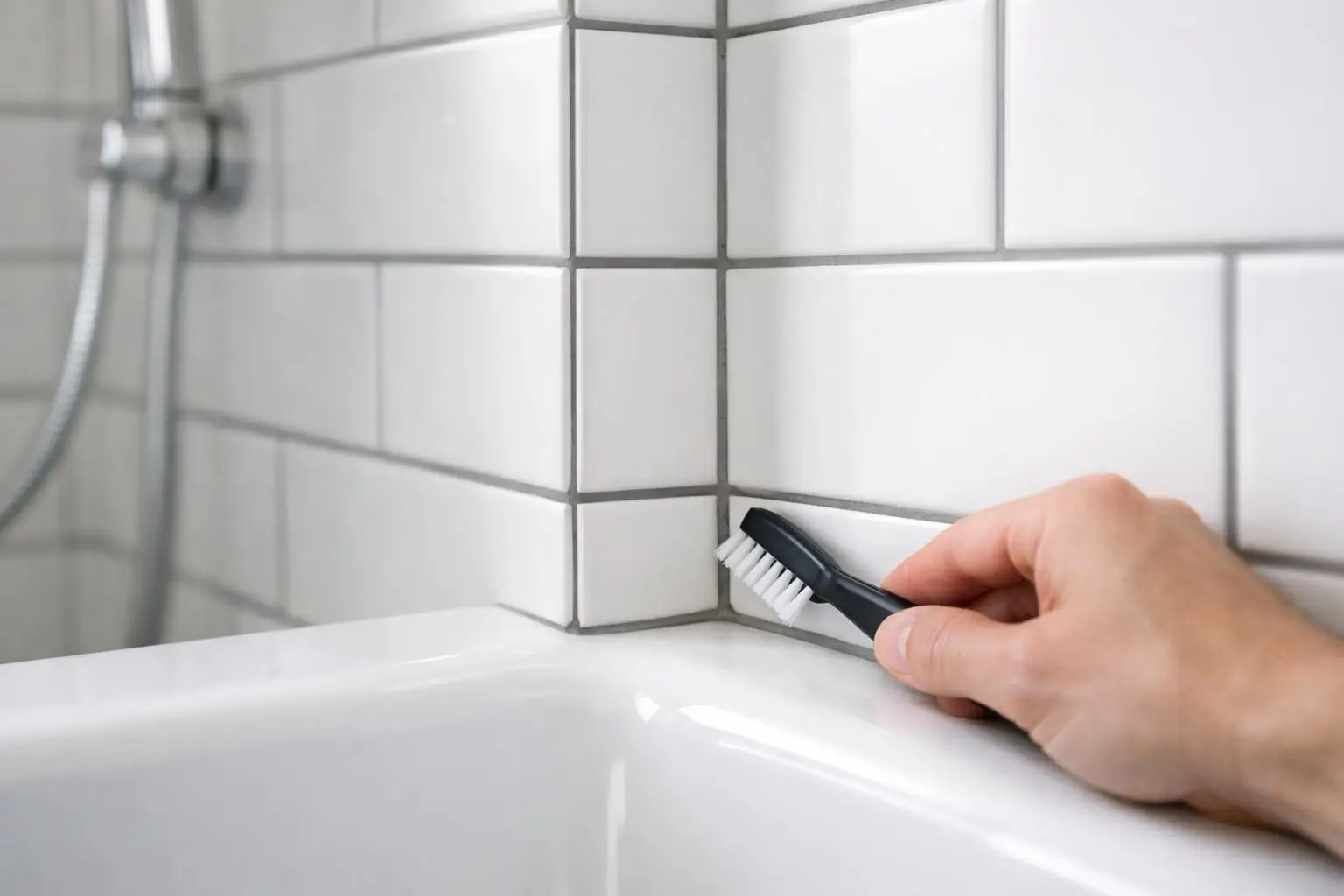
Richmond's humid summers and swings between damp and dry seasons put real stress on tile grout, especially in showers and kitchens. Homeowners often assume all grout behaves the same way, but the type installed, cement or epoxy, determines how often it needs resealing and how well it resists mold and moisture. Understanding these differences helps you protect your investment and catch problems early. This guide covers grout maintenance in Richmond VA, explains epoxy vs cement grout performance in humid climates, and outlines the warning signs that mean it's time to call a professional before a small issue becomes a costly repair.
Why Richmond's Climate Affects Grout Differently
Richmond sits in a humid subtropical zone, meaning summers bring sustained moisture in the air that lingers in bathrooms long after a shower ends. Cement grout is porous by nature, so it absorbs ambient humidity along with direct water contact, which accelerates the breakdown of sealants over time. In a drier climate, the same grout might hold up longer between resealing cycles. In Richmond, homeowners typically need to pay closer attention to humidity-prone rooms like windowless bathrooms or basement half-baths.
Ventilation plays a bigger role here than many homeowners realize. A bathroom exhaust fan that vents outside, rather than into an attic space, helps grout dry faster between uses and reduces the moisture load it has to withstand daily. Homes without adequate ventilation often show grout discoloration or early sealant failure years before homes with proper airflow, even when the same grout product was used. This is a maintenance variable worth checking before assuming the grout itself has failed.
Seasonal humidity swings also mean grout can expand and contract slightly throughout the year, which over many cycles can create hairline cracks at transitions like tub edges or corners. These small cracks are not usually a sign of poor installation; they are a natural result of material movement in a climate like Richmond's. Catching them early with a simple visual inspection twice a year, ideally at the change of seasons, prevents water from working its way behind the tile.
Epoxy Vs Cement Grout for Wet Areas
Cement grout, the traditional choice, is more affordable upfront and easier for installers to work with on intricate patterns, but it is inherently porous and requires sealing to resist water and staining. Depending on usage and exposure, cement grout in a shower typically needs resealing on a recurring schedule to maintain its water resistance, and skipping this step is one of the most common reasons grout darkens or develops a chalky texture over time.
Epoxy grout, by contrast, is a resin-based product that is largely non-porous once cured, which means it resists moisture, staining, and mold growth far better than cement grout without needing regular resealing. This makes it a strong fit for showers, tub surrounds, and Backsplash Installation where water exposure is frequent. The tradeoff is a higher material and labor cost at installation, along with a shorter working time that requires an experienced installer to achieve clean lines.
For homeowners comparing the two, the decision often comes down to how the space is used and how much ongoing maintenance they want to commit to. A guest bathroom used occasionally may do fine with well-maintained cement grout, while a primary shower used daily by a family benefits more from epoxy's durability. Neres Tile's waterproofing membrane systems work alongside either grout type, but pairing a quality membrane with epoxy grout offers the most complete moisture protection available for a tiled shower.
Warning Signs Your Grout Needs Attention
Discoloration is often the first visible clue that grout is struggling, particularly dark gray or black spots that return even after cleaning. This usually indicates mold or mildew has taken hold within the porous structure of cement grout, not just on its surface, which means surface cleaning alone will not solve the underlying issue. If discoloration keeps reappearing within weeks of cleaning, it's a sign the sealant has likely failed and moisture is penetrating deeper than before.
Crumbling or soft grout lines are a more serious warning sign, especially around tub edges, shower floors, or anywhere water pools. When grout begins to flake away with light pressure from a fingernail, it has typically lost its structural integrity and water is likely reaching the substrate beneath the tile. Left unaddressed, this can lead to subfloor damage or the kind of hidden moisture problems that are expensive to repair once they spread beyond the visible tile area.
A musty odor that persists in a bathroom even after cleaning, independent of visible staining, often points to moisture trapped behind tile or within wall cavities. This is different from the minor diagnosis available from surface mold and usually warrants a professional inspection of the waterproofing layer rather than another round of grout cleaner. Catching this early, before tiles loosen or walls show soft spots, keeps a simple fix from becoming a full tear-out and reinstallation.
Building a Simple Grout Maintenance Routine
A realistic maintenance routine starts with a quick visual check during a regular cleaning, looking specifically at corners, tub edges, and any area where two different materials meet. These transition points are where cracking and sealant failure tend to show up first, so a few extra seconds of attention during a normal bathroom clean can catch issues long before they're visible from a distance. Avoid harsh acidic cleaners on grout lines, as these can strip sealant faster than normal wear.
For cement grout specifically, homeowners should track when the space was last resealed, since manufacturer guidance and several industry sources point to resealing on a recurring basis for high-moisture areas like showers. Setting a reminder tied to a season change, like every spring, makes this easier to stay on top of than trying to remember an exact date months later. Epoxy grout owners can generally skip this step entirely, which is part of its long-term value in wet rooms.
When grout issues go beyond routine care, such as persistent odor, crumbling, or recurring discoloration despite proper maintenance, it's worth having a professional evaluate whether the problem is isolated to the grout or tied to the waterproofing membrane underneath. Homeowners researching a complete Bathroom Remodeling project often discover during that process that longstanding grout issues were actually early signs of a failing membrane, which is why addressing warning signs promptly can sometimes prevent a much larger project down the road.
Grout might seem like a small detail, but in Richmond's humid climate it plays a big role in protecting the tile work underneath it. Knowing the difference between epoxy and cement grout, watching for early warning signs, and keeping up with a simple seasonal routine can extend the life of a bathroom or kitchen significantly. When in doubt, a professional inspection is a small investment compared to a full tear-out. View our completed work in Projects or contact us for a free estimate.
Frequently Asked Questions
How Often Should Cement Grout Be Resealed in a Richmond Bathroom?
Most cement grout in high-moisture areas like showers benefits from resealing roughly every 6 to 12 months, though usage and ventilation affect this timeline. Richmond's humid summers can accelerate sealant breakdown, so homeowners in windowless or poorly ventilated bathrooms should check more frequently and reseal at the first sign of water no longer beading on the surface.
Is Epoxy Grout Worth the Extra Cost Over Cement Grout?
For wet areas like showers and kitchen backsplashes, epoxy grout's resistance to moisture, staining, and mold often justifies the higher upfront cost since it typically doesn't require resealing. For lower-moisture spaces like a guest half-bath, cement grout with regular maintenance can be a reasonable and more budget-friendly choice.
Can I Reseal Grout Myself or Does It Require a Professional?
Resealing grout is a DIY-friendly task for homeowners comfortable with basic home maintenance; it typically involves cleaning the grout thoroughly, letting it dry completely, then applying a penetrating sealer with a small brush or applicator. However, if grout is already cracked, crumbling, or showing signs of underlying moisture damage, a professional assessment is recommended before resealing.
What Causes Black Spots in Grout That Keep Coming Back After Cleaning?
Recurring black spots usually indicate mold or mildew growing within the porous structure of the grout itself, not just on the surface, which means the protective sealant has likely failed. Surface cleaning may temporarily improve appearance, but the mold often returns within weeks unless the grout is resealed or, in more advanced cases, removed and replaced.
How Do I Know If a Grout Problem Is Actually a Waterproofing Membrane Failure?
Warning signs like a persistent musty odor, soft or loose tiles, or recurring staining despite proper cleaning and resealing often point to moisture reaching the substrate beneath the tile rather than a simple grout issue. A professional inspection can determine whether the waterproofing membrane has failed, which typically requires more extensive repair than grout maintenance alone. Learn more about our Bathroom Remodeling services or reach out to our team.
Neres Tile Team
Reviewed by the Neres Tile installation team
Ready to Plan Your Tile Project?
Get a free on-site estimate and technical consultation from Ueslei Neres. We serve Richmond, Short Pump, Henrico, Chesterfield, Midlothian, and surrounding areas.