Here is the fact that matters most in a tiled shower: tile and grout are not waterproof. Cementitious grout absorbs moisture, and without a membrane behind the tile, water reaches the wall studs and subfloor. A waterproofing membrane is not an upgrade — it is the layer that decides whether your shower lasts forty years or fails in four.
How do modern membranes differ from old pan liners?
Older shower construction buried a rubber pan liner under a heavy mortar bed, leaving the cement beneath the tile permanently damp. Modern Bathroom Remodeling uses a topical sheet membrane — such as Schluter Kerdi — placed directly behind the tile so the entire shower envelope is sealed and the surface dries completely after each use.
What should I ask my installer about the membrane?
- Which membrane system and manufacturer (for example, Kerdi or Wedi) will be used
- Whether the installer is certified by that system's manufacturer
- How the pan will be water-tested before the tile is installed
- Whether the curb, corners, and drain flange are all tied into the same membrane
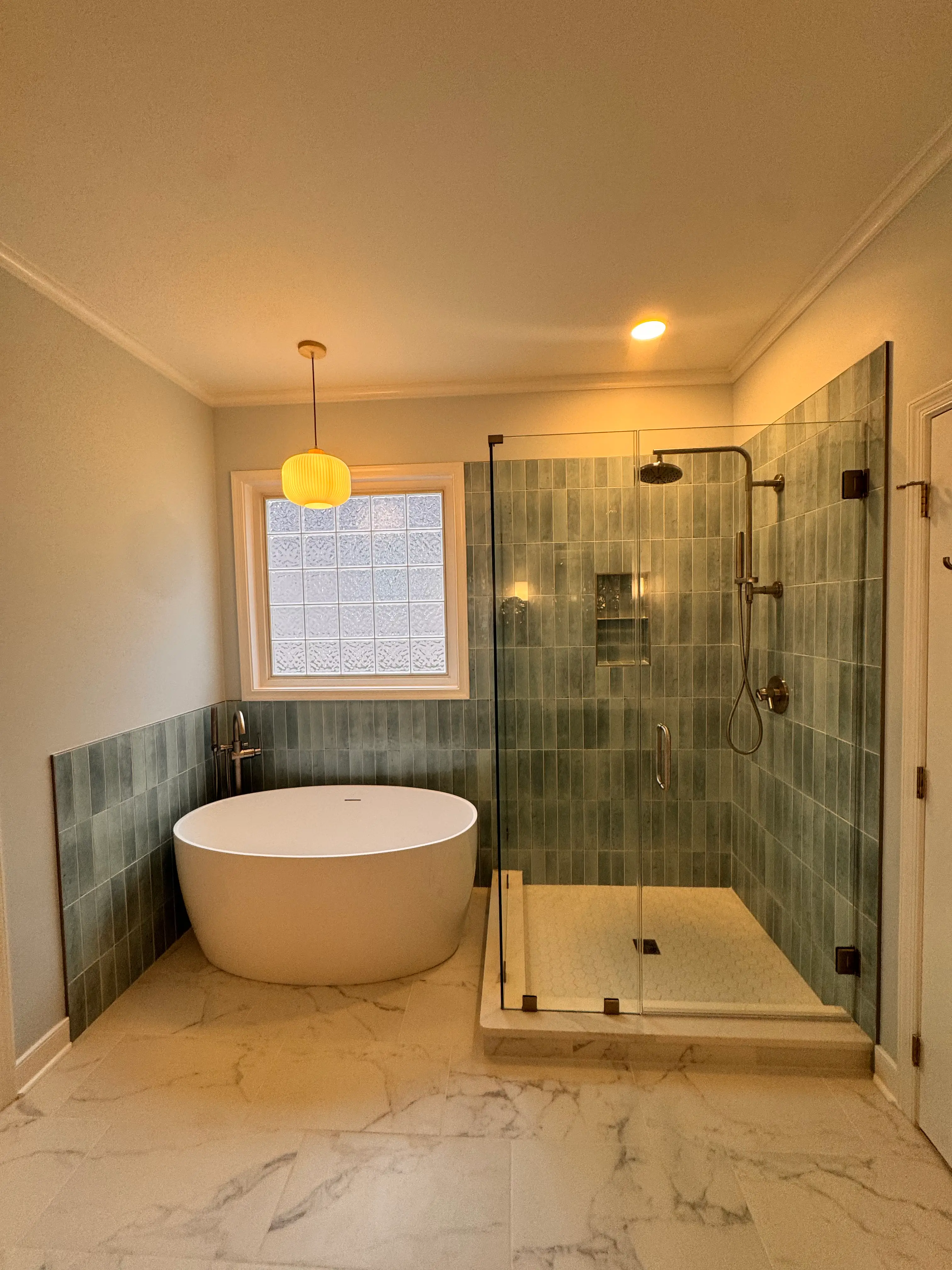
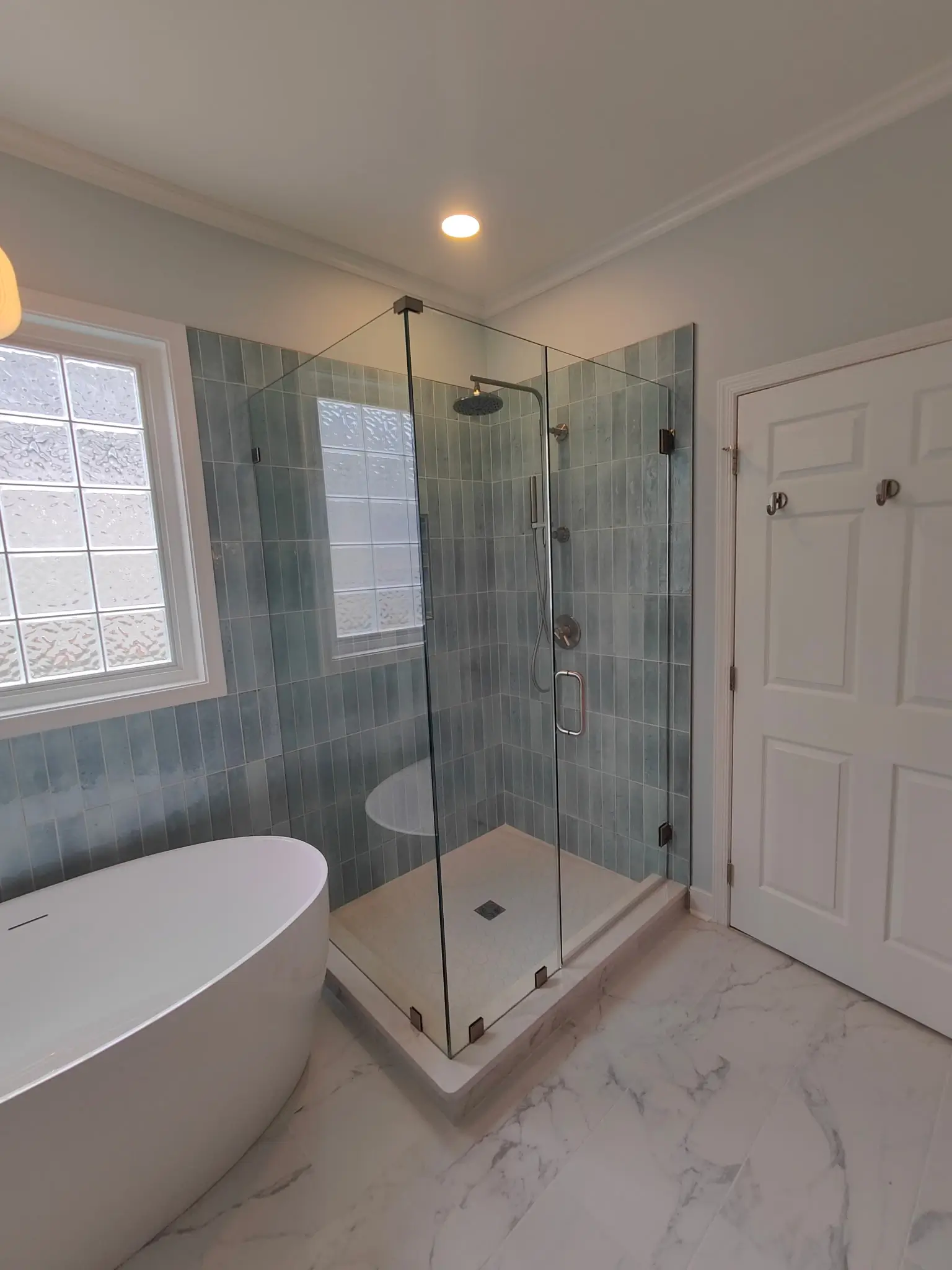
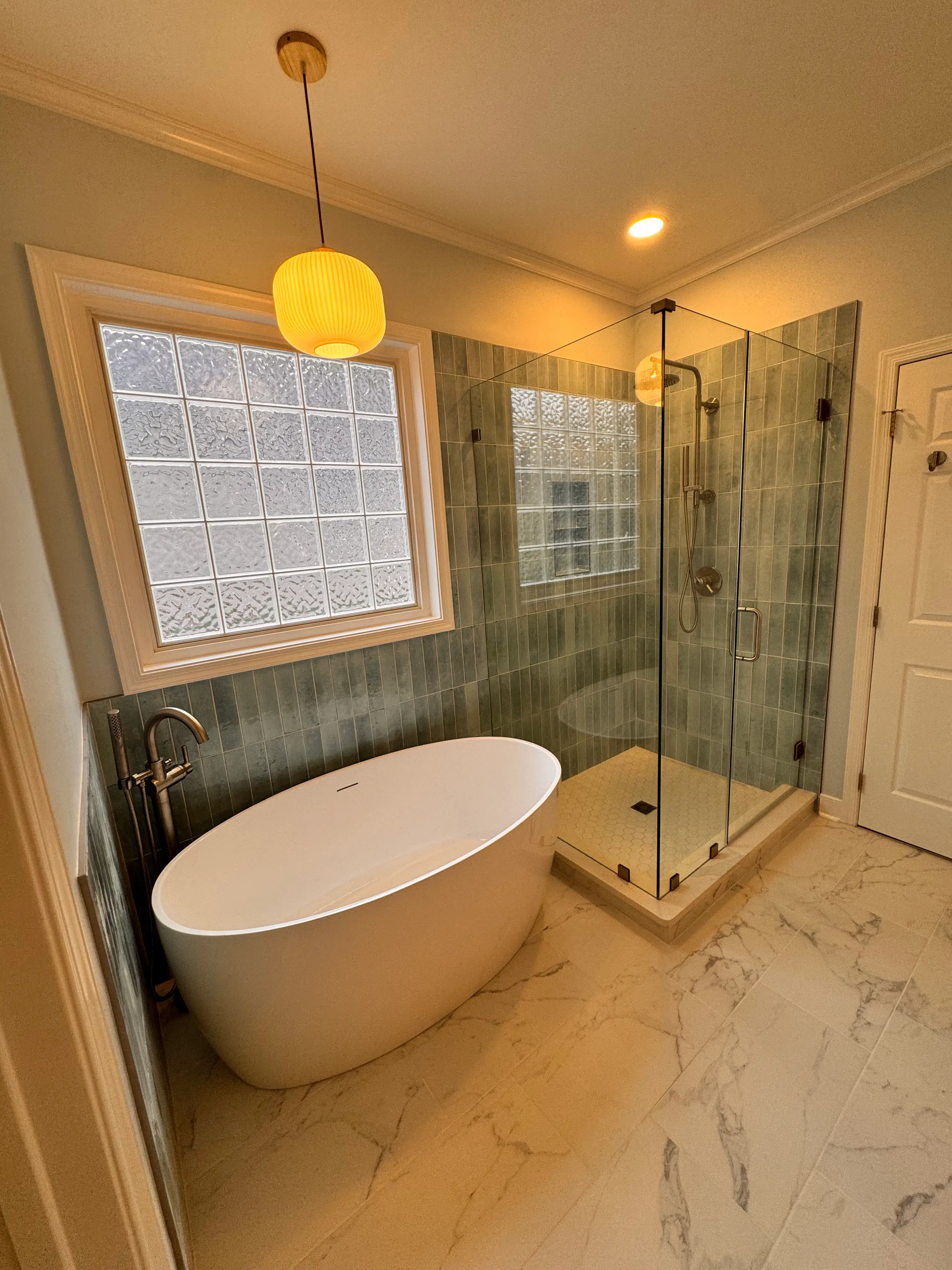
A membrane done right is invisible once the tile is up — which is exactly why it should be documented before, not after. See finished, waterproofed showers in our Projects, or request a free estimate and we will walk through the system we use.
Neres Tile Team
Reviewed by the Neres Tile installation team
Ready to Plan Your Tile Project?
Get a free on-site estimate and technical consultation from Ueslei Neres. We serve Richmond, Short Pump, Henrico, Chesterfield, Midlothian, and surrounding areas.